Boston Public Library’s Central Library in Copley Square offers a useful change of pace from a busy sightseeing day. Its McKim building brings together architecture, murals and public space. A visit is most rewarding when treated as time in a working library as well as a historic building.
Start with the setting
Look at the relationship between the library, the square and the surrounding streets before heading inside. The McKim building’s measured facade and arched openings give it a different rhythm from the taller buildings nearby. The contrast is part of the experience: Boston’s architecture does not belong to a single era.
The library’s own history and architecture information is the best starting point for identifying the spaces and artworks accurately. Access arrangements can change, so check the current library guidance before planning around a particular room or tour.
Notice the architecture without rushing
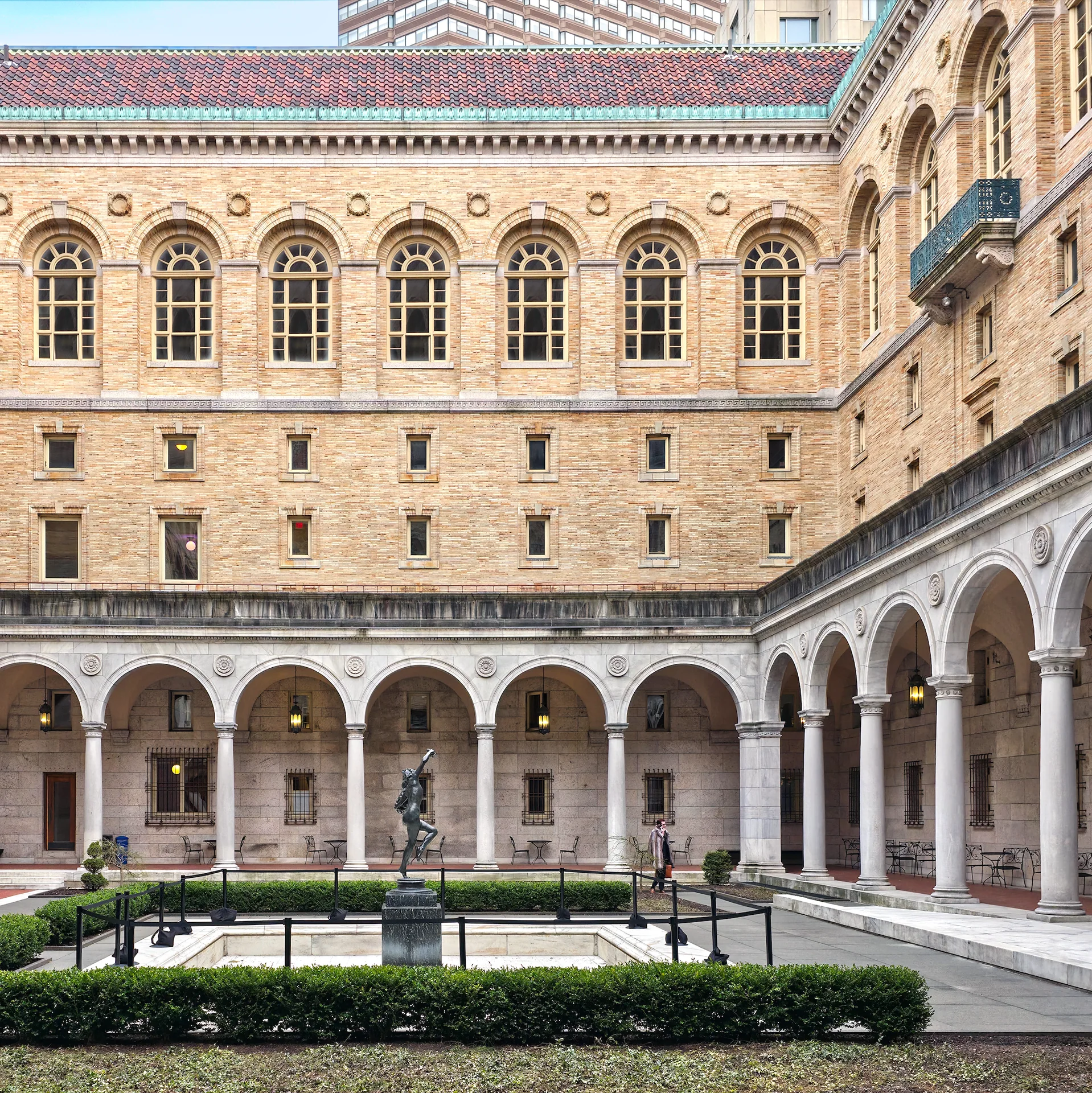
The courtyard, major reading spaces and interior details reward looking closely. Follow posted guidance, keep noise low, and respect people who are reading or working. A photograph should not interfere with someone’s use of a public institution.
- Look for the repeated arches and changing light.
- Notice the differences between exterior stone and courtyard materials.
- Use the library’s descriptions to understand the art rather than guessing its subject.
- Check which areas are open before entering a room.
Give Back Bay some time
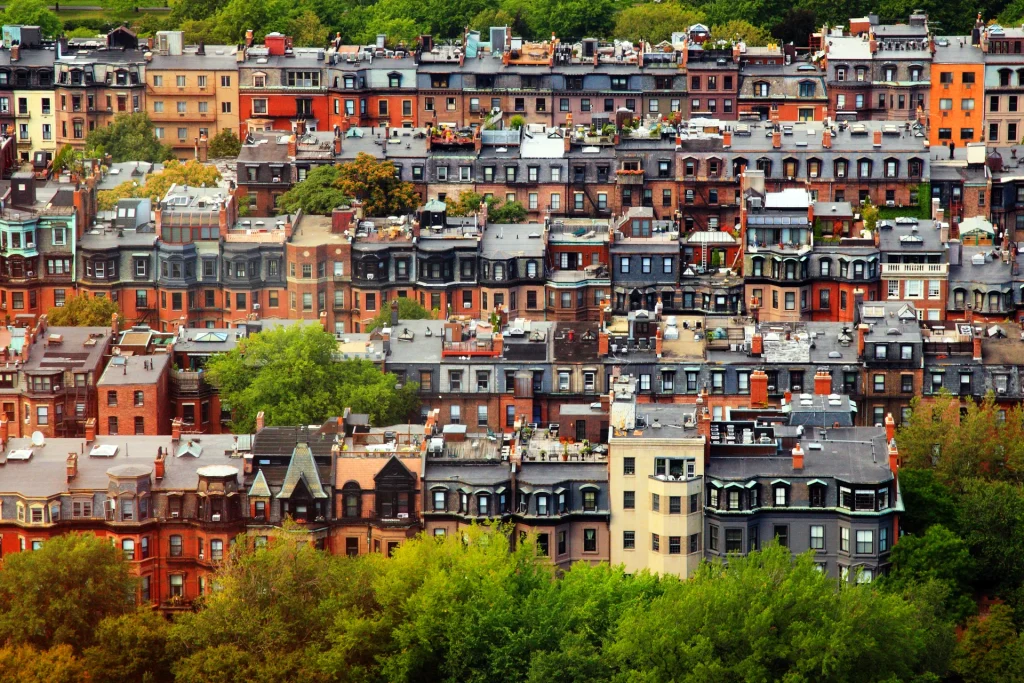
After the library, decide whether you want more architecture, shopping, a meal or a quieter walk. The point is not to combine every nearby place into one afternoon. Choose a direction and give yourself permission to stop.
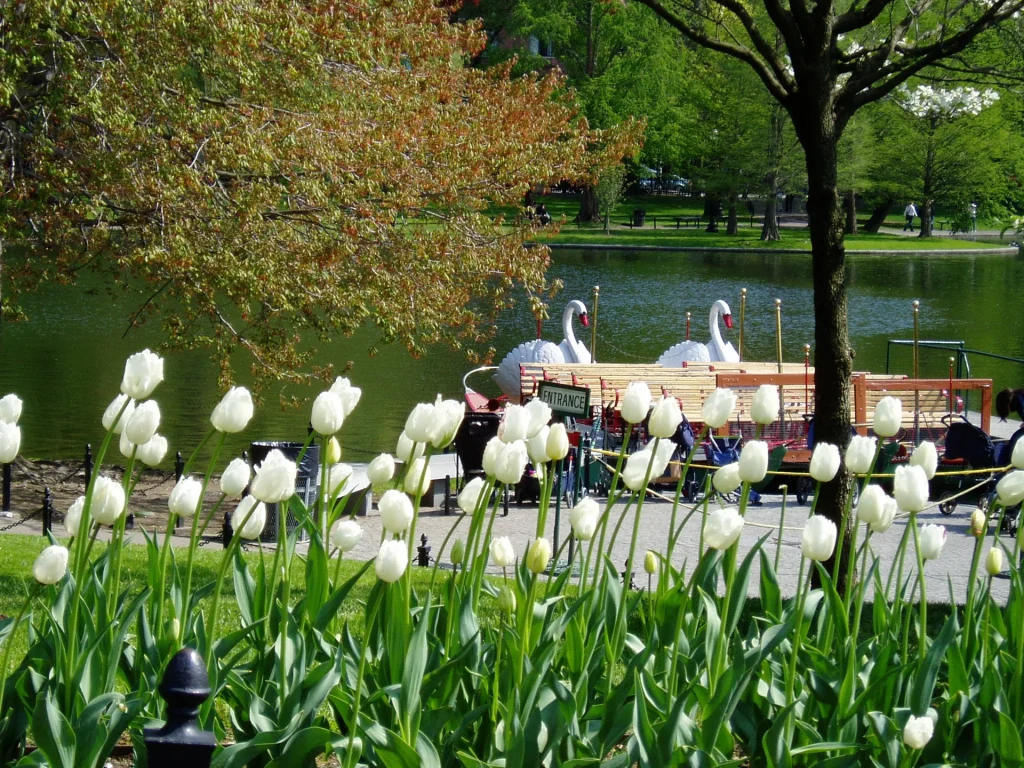
If green space appeals, use a current map to work out a comfortable route toward the Public Garden or Commonwealth Avenue Mall. These places have their own character; the Public Garden and Boston Common are adjacent but are not the same park.
A practical visiting approach
- Check the library’s current visitor information.
- Choose one or two architectural spaces you are especially interested in.
- Allow time for a pause rather than scheduling a tightly timed onward booking.
- Plan an alternative if a room or event changes access.
Give a working public place the courtesy you would want in your own neighborhood.
This guide is an invitation to look more closely, not a promise of access to every room. For background, visit the library’s own history page. For the rest of your stay, explore Boston planning ideas and our latest guides.